7-Hydroxymitragynine Vs Mitragynine — this guide covers it end to end: what the specification actually means, how each batch is verified, what it costs per milligram, and what to check before you buy.
Two alkaloids from the same plant, confused constantly. Here is the actual distinction and why it changes how products are formulated and labelled.
Buttons 7OH products are sold strictly as botanical research materials and are not intended for human or animal consumption. This article is published for general educational purposes and is not medical or legal advice. See our Health & FDA Disclaimer.
On This Page
The Basic Distinction
Both compounds occur naturally in Mitragyna speciosa. Both are indole alkaloids. They differ structurally by a single hydroxyl group, and that small difference produces a distinct compound with a distinct analytical signature.
The practical distinction for buyers is simpler than the chemistry: mitragynine is the predominant alkaloid in the leaf, while 7-hydroxymitragynine is present in much smaller quantities and is the compound standardized extract tablets are built around.
Side-by-Side
| Property | Mitragynine | 7-Hydroxymitragynine |
|---|---|---|
| Abundance in leaf | Predominant alkaloid | Present in much smaller amounts |
| Structural relationship | Reference structure | Differs by one hydroxyl group |
| Analytical abbreviation | MIT | 7-OH |
| Role in traditional leaf use | Principal alkaloid | Minor constituent |
| Role in modern extracts | Historically the focus | The focus of standardized tablets |
| Typical product framing | “Total alkaloids” across brands | Fixed mg per tablet in 7OH products |
Why Extracts Target 7-OH
The shift toward 7-hydroxymitragynine standardisation is driven by quantification, not marketing:
- It can be measured precisely. HPLC resolves 7-hydroxymitragynine as a discrete peak, so a fixed milligram claim is independently verifiable. A broad “total alkaloids” figure is not — it is a sum, and sums hide composition.
- It is naturally minor. Because it is present at low levels in the plant, isolating and concentrating it produces a far more defined product than working with raw leaf material whose alkaloid profile varies by season and region.
- It enables exact dosing. A tablet declaring 125mg of a named alkaloid with clean quarter-scoring gives a defined starting point that variable leaf material cannot.
The measurable claim matters more than the marketing language. “7OH extract” is vague. “125mg 7-hydroxymitragynine per tablet, verified by HPLC per lot” is a statement you can check.
What This Means For Labels
A properly labelled product distinguishes between:
| Label says | What it means |
|---|---|
| “125mg 7-hydroxymitragynine” | 125mg of the named alkaloid per tablet |
| “125mg 7OH extract” | Ambiguous — likely extract weight, not alkaloid content |
| “125mg total alkaloids” | A sum, composition unspecified |
| “1250mg kratom extract” | Extract weight, not alkaloid content |
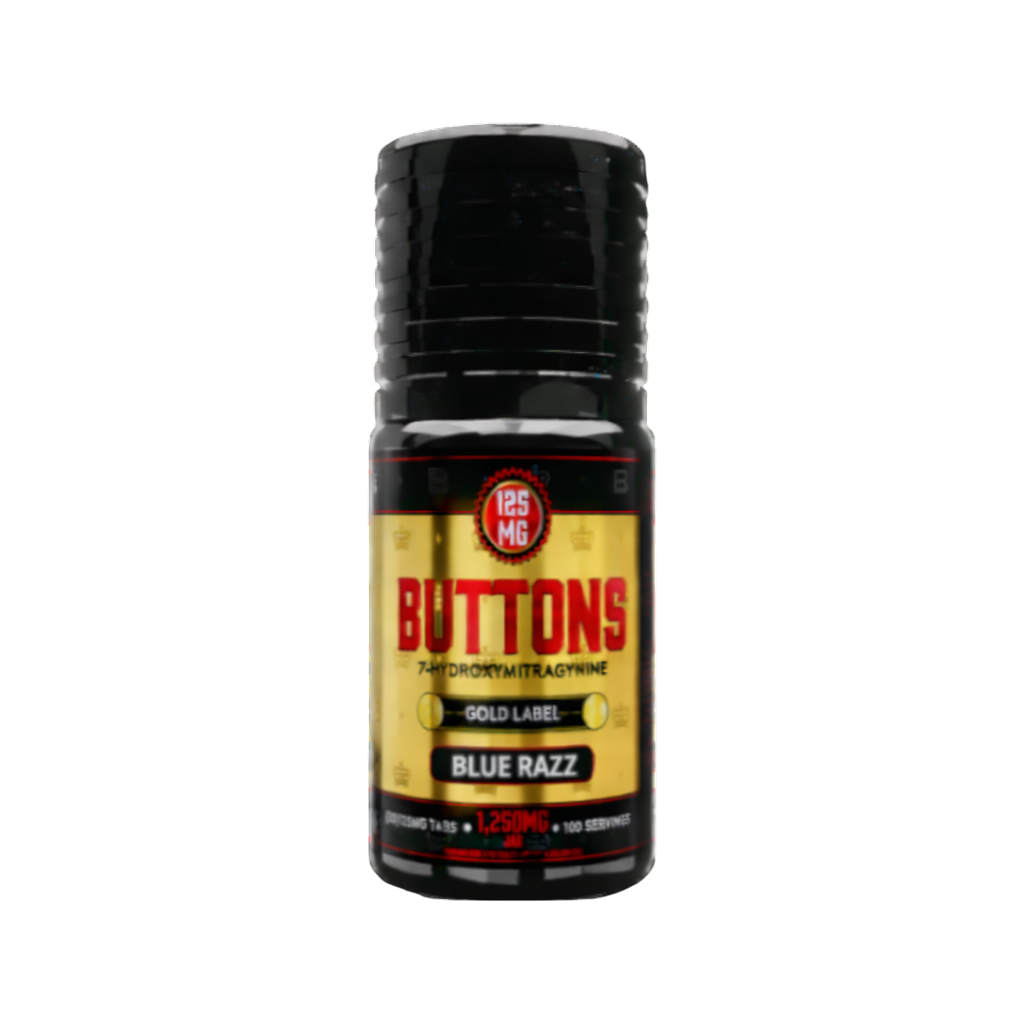
Buttons labels state the alkaloid explicitly: 125mg 7-hydroxymitragynine per tablet, 1,250mg per 10ct bottle. Read our walkthrough at How To Read a 7OH Label.
Why Testing Must Name the Compound
This is the crux. A certificate of analysis that reports “extract content” or “total alkaloids” does not verify a 7-hydroxymitragynine claim — because it did not measure that compound.
The only report that verifies a per-tablet alkaloid claim is one that names 7-hydroxymitragynine as the analyte, states the method (HPLC), gives a numeric result and compares it against a specification. We walk through the fields at Reading a COA and HPLC Potency Testing.
Related: What Is 7-Hydroxymitragynine?, Understanding Extract Concentrations, Buttons 7OH Tablets Guide.
For the wider context on the molecule itself, see what is 7-hydroxymitragynine, which covers botanical origin and the limits of the current research base. And because the two compounds are routinely conflated on product labels, understanding 7OH extract concentrations explains how each labelling convention is being used.
7-Hydroxymitragynine vs Mitragynine: Frequently Asked Questions
Short answers to the questions buyers ask most often about 7-hydroxymitragynine vs mitragynine.
Which is better — 7-hydroxymitragynine vs mitragynine or a cheaper alternative?
Neither is automatically better. Compare what each label actually declares: total extract weight is a marketing figure, while the 7-hydroxymitragynine number is the one that determines what is in the tablet. On that measure 7-hydroxymitragynine vs mitragynine is unusually easy to judge, because the 125mg figure is stated per tablet and confirmed per lot.
How does 7-hydroxymitragynine vs mitragynine compare on cost per milligram?
Cost per milligram is the only comparison that survives a change of pack size. A single Buttons 7OH bottle lands at 5.88¢ per milligram, the three-bottle bundle at roughly 5.04¢, and the twenty-bottle wholesale case at 4.47¢. Run the same arithmetic on any competitor before you decide.
What should I check before choosing 7-hydroxymitragynine vs mitragynine?
Three things: whether the alkaloid figure is declared by name rather than implied, whether a per-lot certificate exists for the specific lot code on your bottle, and whether the format matches how you intend to use it. 7-hydroxymitragynine vs mitragynine is priced for buyers who want all three answers in writing.
Is 7-hydroxymitragynine vs mitragynine a good fit for a first order?
It is a reasonable first order if you intend to use the scoring to work in smaller increments. A quartered 125mg tablet gives you a 31.25mg piece, which is a more precise starting point than a single-unit powder or a liquid measured by eye.
How do I verify the batch behind 7-hydroxymitragynine vs mitragynine?
Read the lot code printed on the bottle, email it to us, and we return the matching HPLC potency report along with the heavy-metal and microbial screens for that run. You are checking a document that was produced before the sale, not a claim made after it.
7-Hydroxymitragynine vs Mitragynine: Key Takeaways
- 7-hydroxymitragynine vs mitragynine: how the two alkaloids differ, why extracts standardize on 7-OH, and why testing must name the compound.
- Every Buttons 7OH tablet declares 125mg of 7-hydroxymitragynine by name and is verified per lot by HPLC, not estimated.
- Batch reports are retrievable by the lot code printed on your bottle — email it to us and we return the matching certificate.
- Cost per milligram falls from 5.88¢ on a single bottle to 4.47¢ at the 20-bottle wholesale tier.
- 21+ verification applies on every order in every jurisdiction, without exception, and these products are sold as botanical research materials.
Sources & Further Reading
We cite primary and institutional sources rather than repeating vendor claims. For the regulatory and analytical background to 7-hydroxymitragynine vs mitragynine, start with:
Our own batch documentation and testing methodology are published on the Lab Tests & COAs page, and the full specification is in the Buttons 7OH Tablets Guide.
Ready To Order Buttons 7OH Gold Label?
Five standardized 125mg flavors, bundles that cut your cost per milligram, and verified third-party lab documentation for every batch.
Pingback: What Is 7-Hydroxymitragynine? 6 Facts Verified